Depth, diameter and cage, settled while the hole is still open.
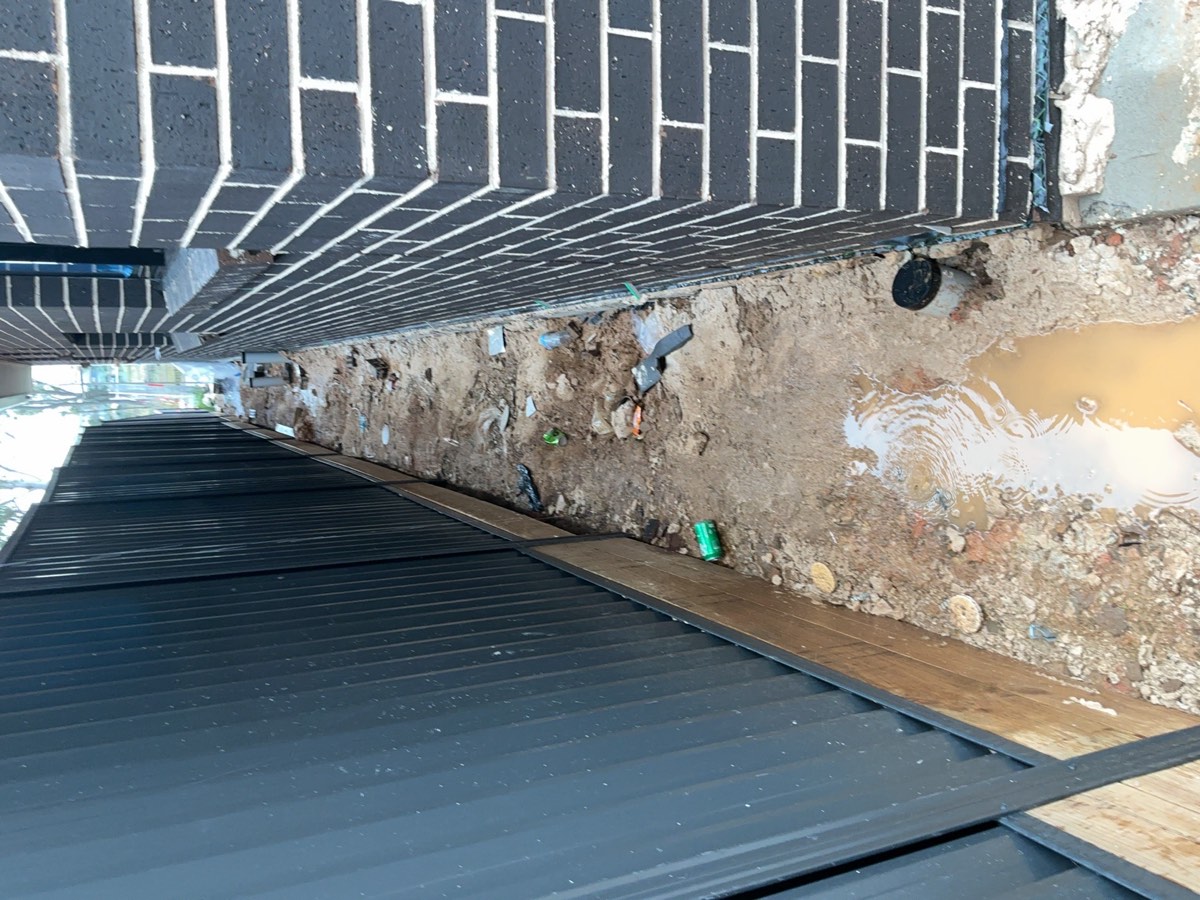
Catherine Field still carries land that has never been built on, and where a footing has to reach past fill or find competent ground the engineer specifies piers. The depth of a bore is the entire point of the visit, and it stops being knowable the moment concrete goes in. The photographs below were taken in Leppington, Oran Park or Austral, between two and eight kilometres from Catherine Field, and each caption names its suburb. We would rather tell you that than let another job pass as a local one.
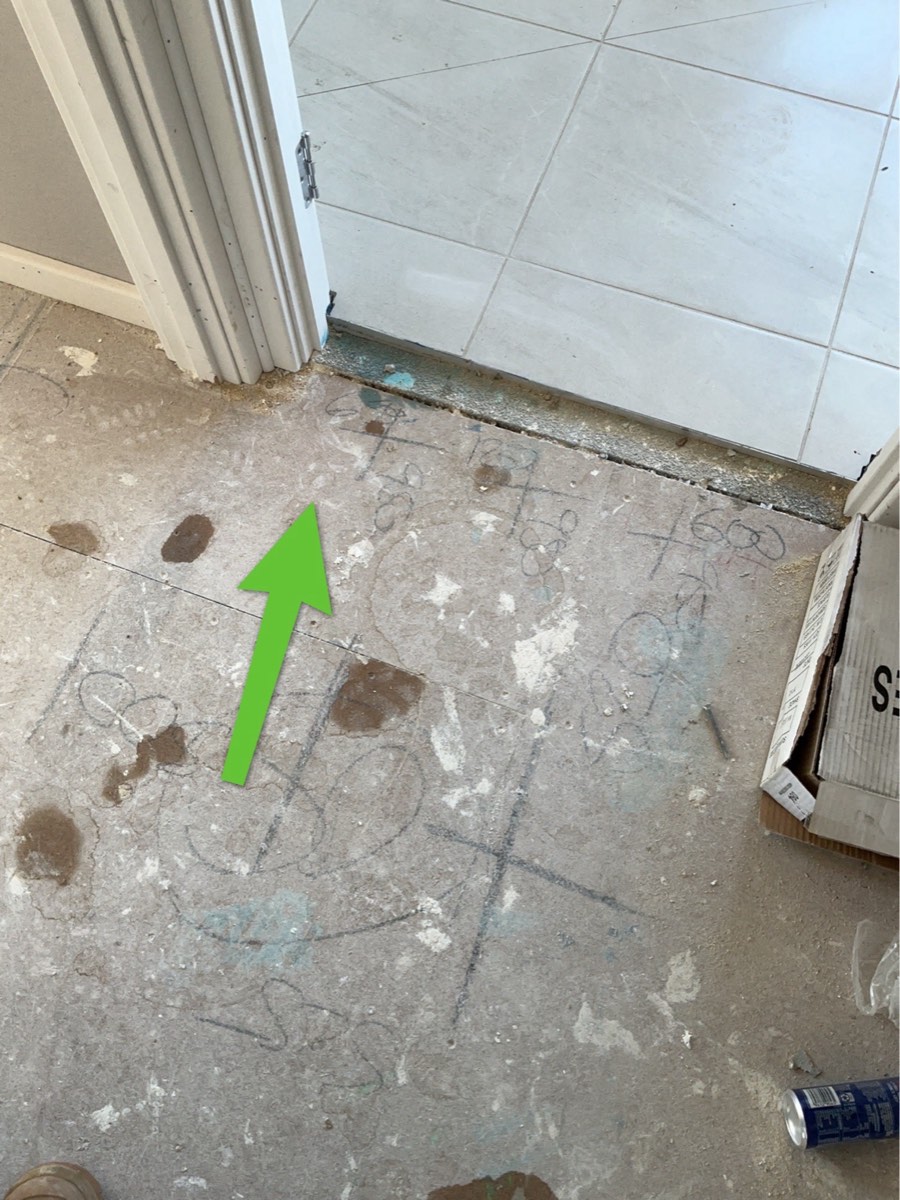
Annotated findings from Bored piers inspections on Catherine Field builds. Client addresses withheld.
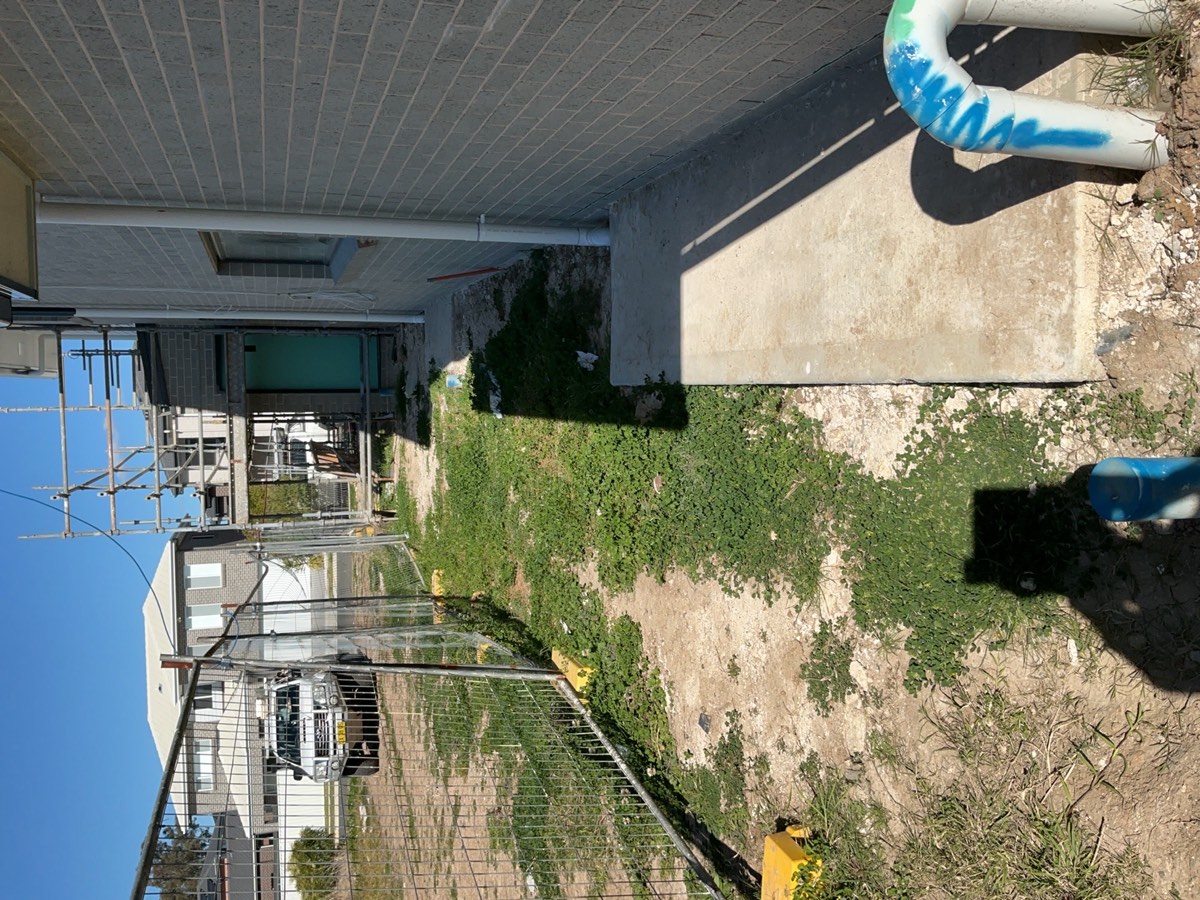
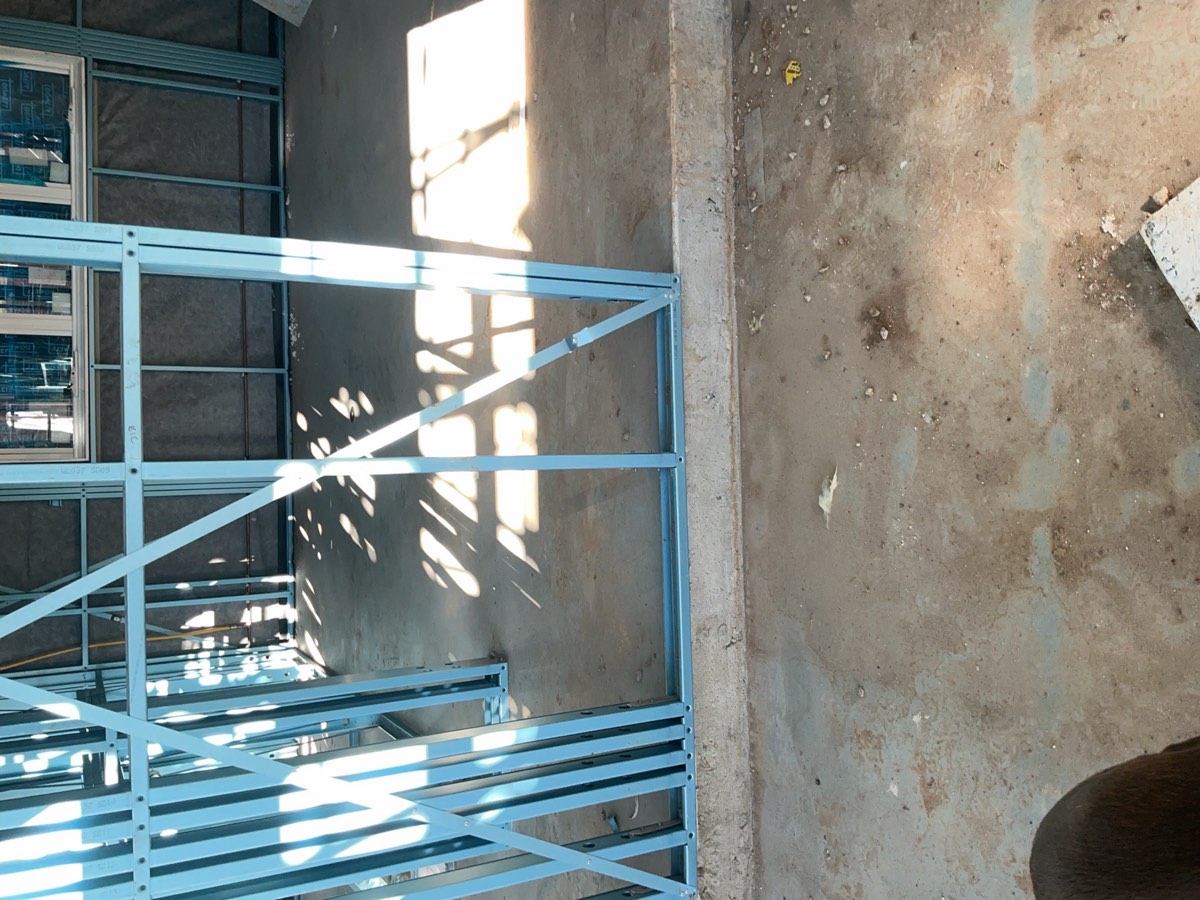
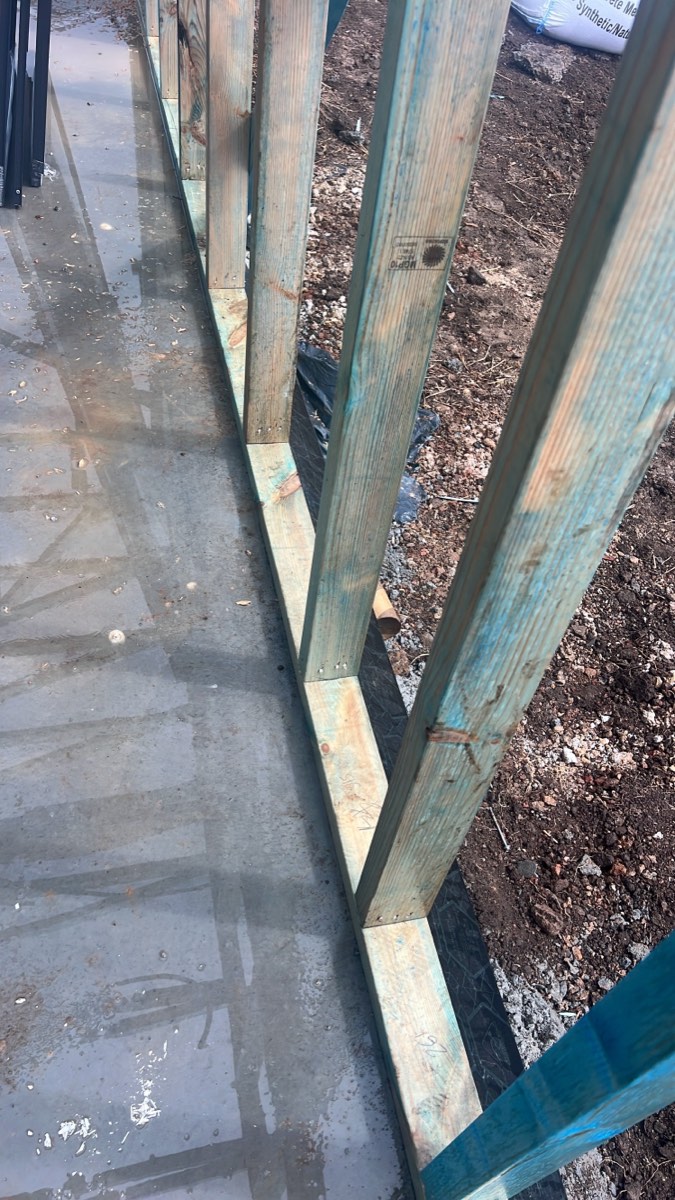
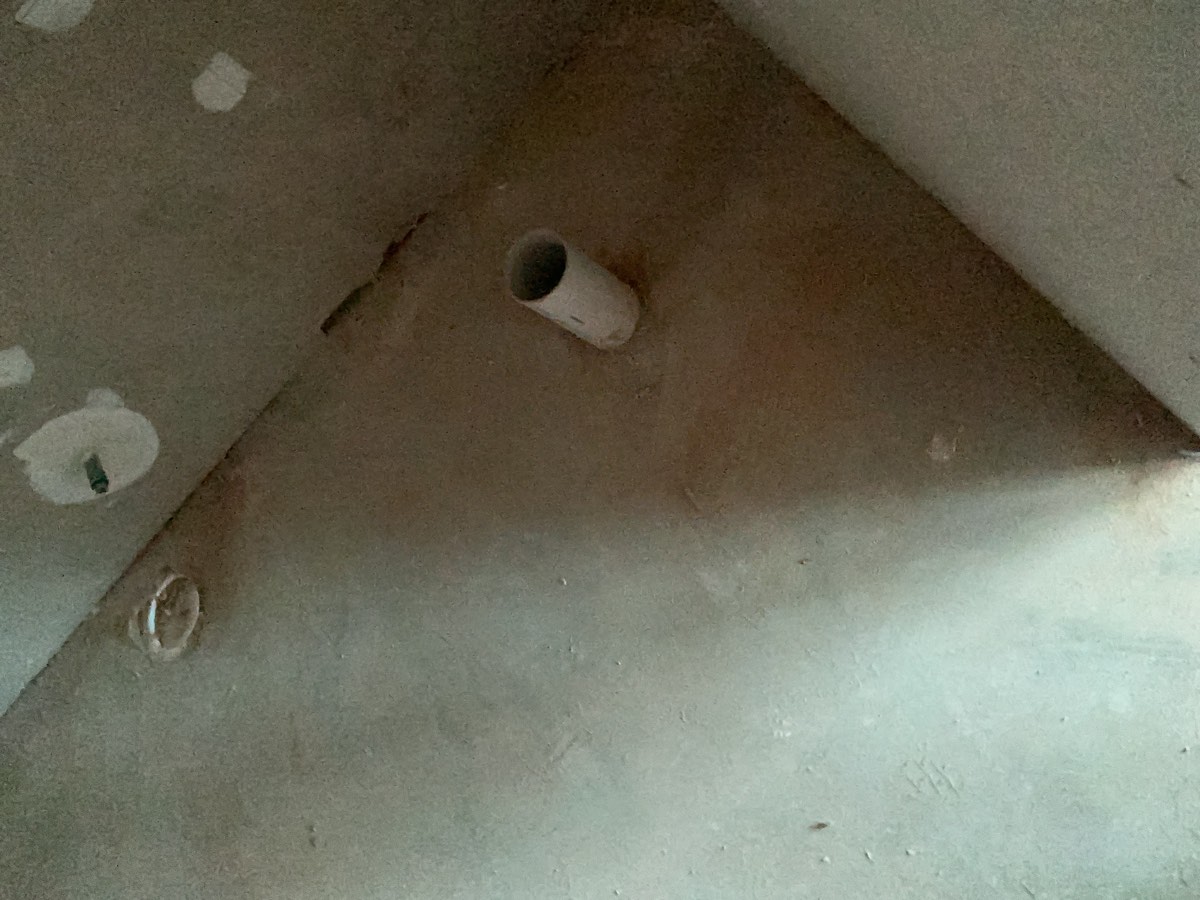 2Slab pre-pourThe day before the pour, steel and formwork complete
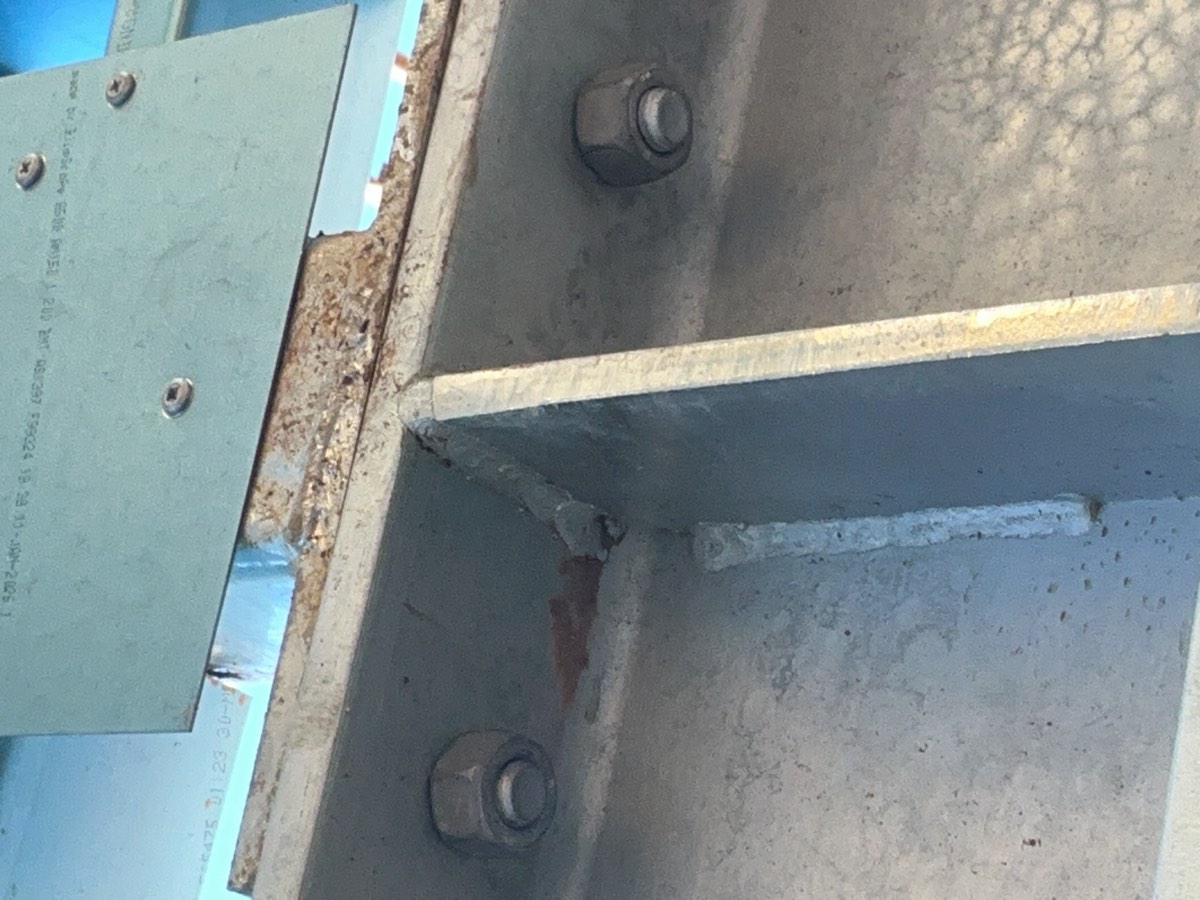 3FrameOnce frame and trusses are up and the roof is on, before lining
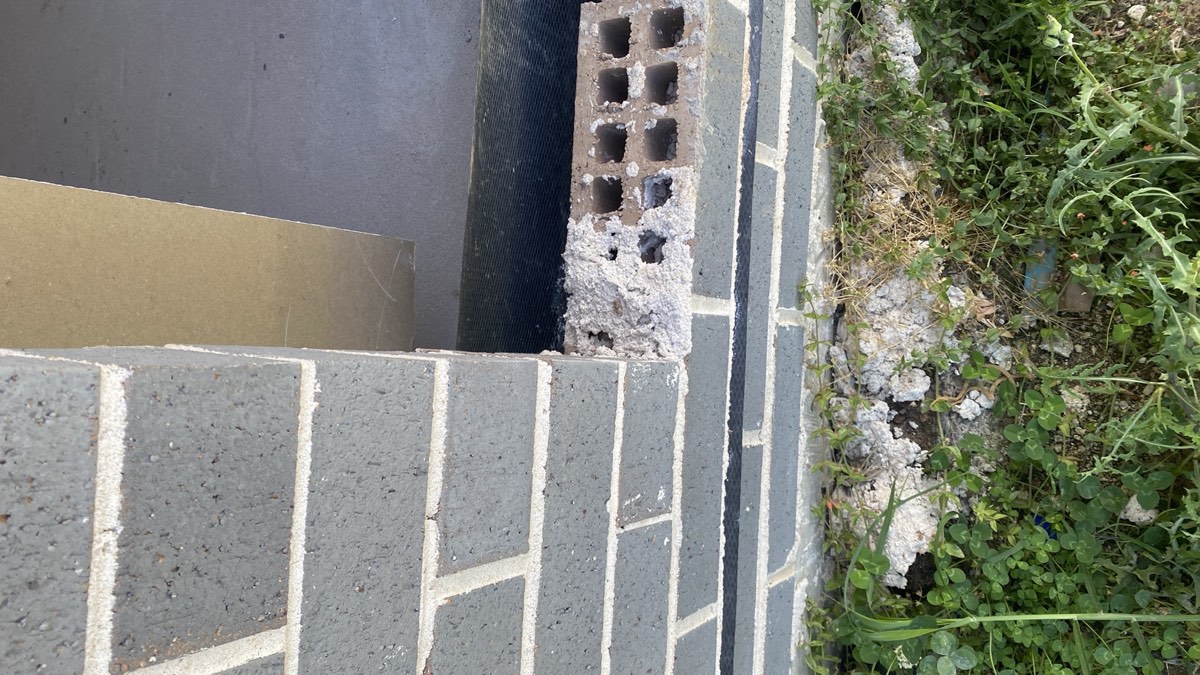 4Lock-up (pre-plaster)After roof, cladding and external doors, before plaster
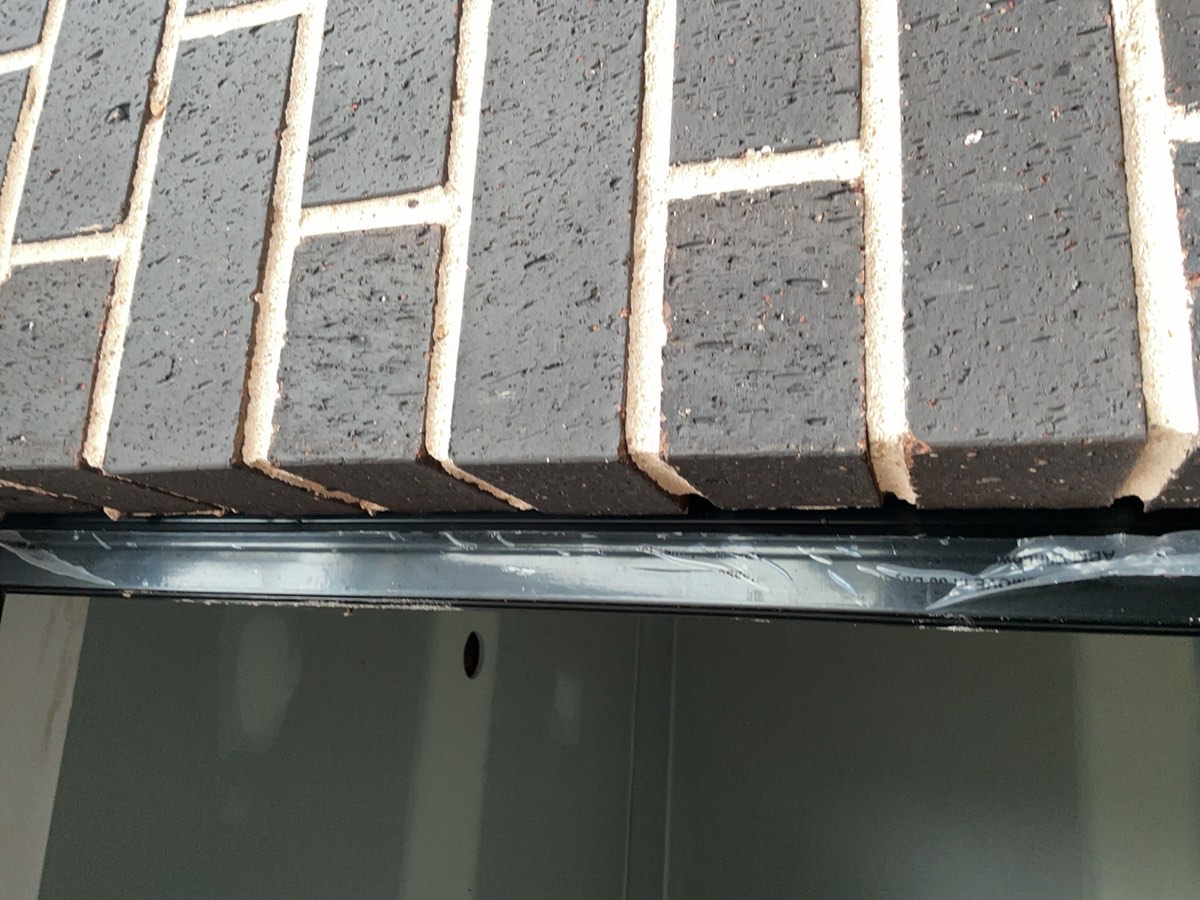 5FixingAfter mouldings, doors and joinery, before the painter6WaterproofingAfter the membrane is applied and before any tile is laid
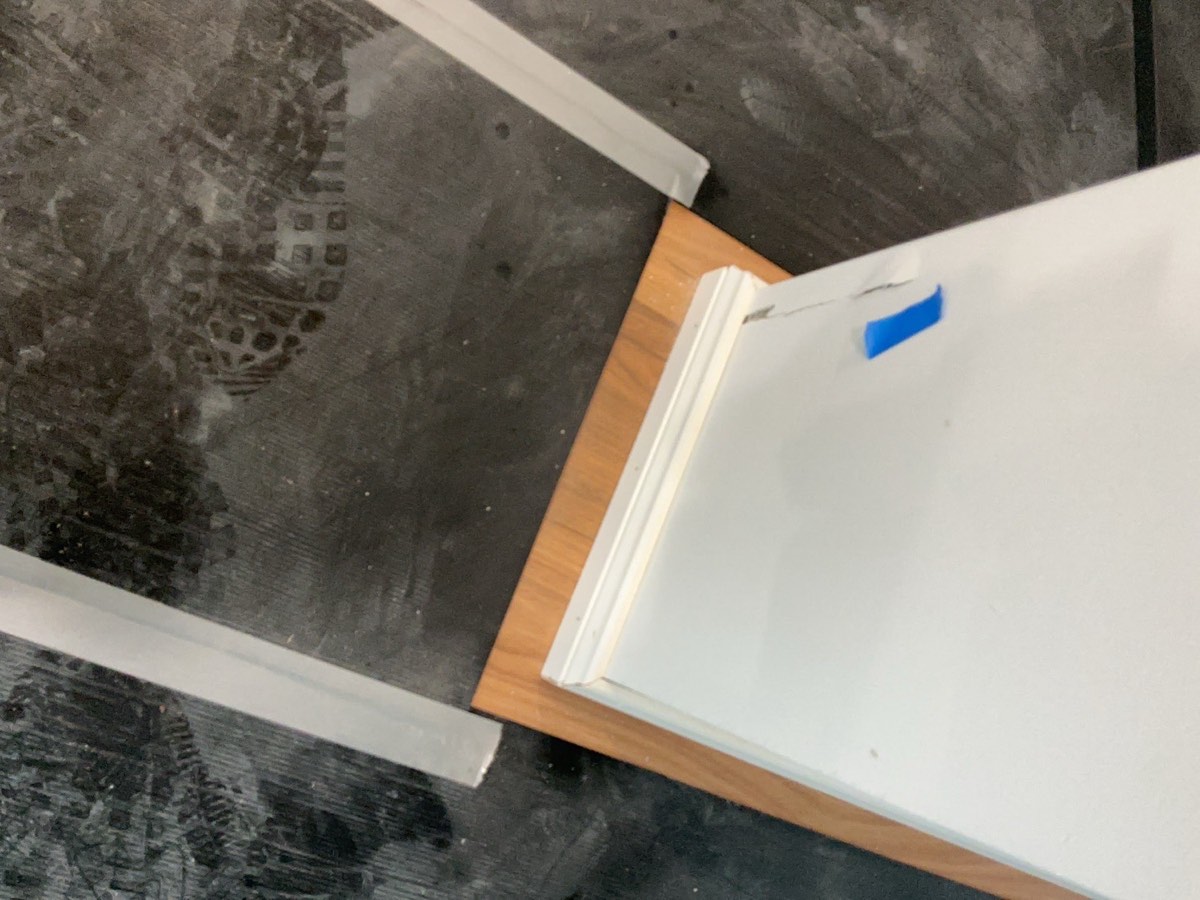 7Pre-handover (PCI)Two to three weeks before your handover date
Instant online pricing, or talk to the booking team on 1300 471 805.
Under an hour on most lots, and longer where the pier count is high or the bores are spread over a sloping site.
The measured depth is written next to the required depth. What happens next is for your builder and their engineer, and the report hands them the figure.
No. We record against the engineering. Signing off is an engineer's function, and the report says where one is needed.
Concrete placed into water is weakest exactly where the pier needs to be strongest. Recording it is what gets the bore pumped out first.
It follows the individual lot rather than the council. The soil report and the engineering decide whether piers are used at all.
Your lot engineering, showing pier depths, diameters and positions.